
.png?width=396&height=127&name=images%20(3).png)
Industry
Mining
Challenge
Las Bambas relies on long-haul concentrate transport operated by two communal (community-owned) transportation companies, representing a fleet of 72 container trucks. The 500+ drivers within these fleets are the primary users of Readi, using fatigue predictions to manage risk across extended shifts and demanding routes. Managing fatigue risk across these extended operations required a consistent way to assess driver readiness before dispatch, particularly for long-haul trips along the Southern Road Corridor.
Results
Las Bambas gained greater visibility into driver fatigue risk before dispatch across its concentrate transportation fleet. Using Readi, supervisors can apply clear sleep-based readiness criteria, support safer dispatch decisions, and implement operational countermeasures such as driver rotation and planned rest pauses for long-haul trips.
Key Product
ReadiWatch, ReadiSupervise, ReadiAnalytics
Long-haul transportation is one of the most fatigue-sensitive operations in mining. What Las Bambas is doing is a great example of how predictive fatigue insights can support safer dispatch decisions across large contractor fleets.

.jpeg?width=276&height=183&name=images%20(2).jpeg)
Background
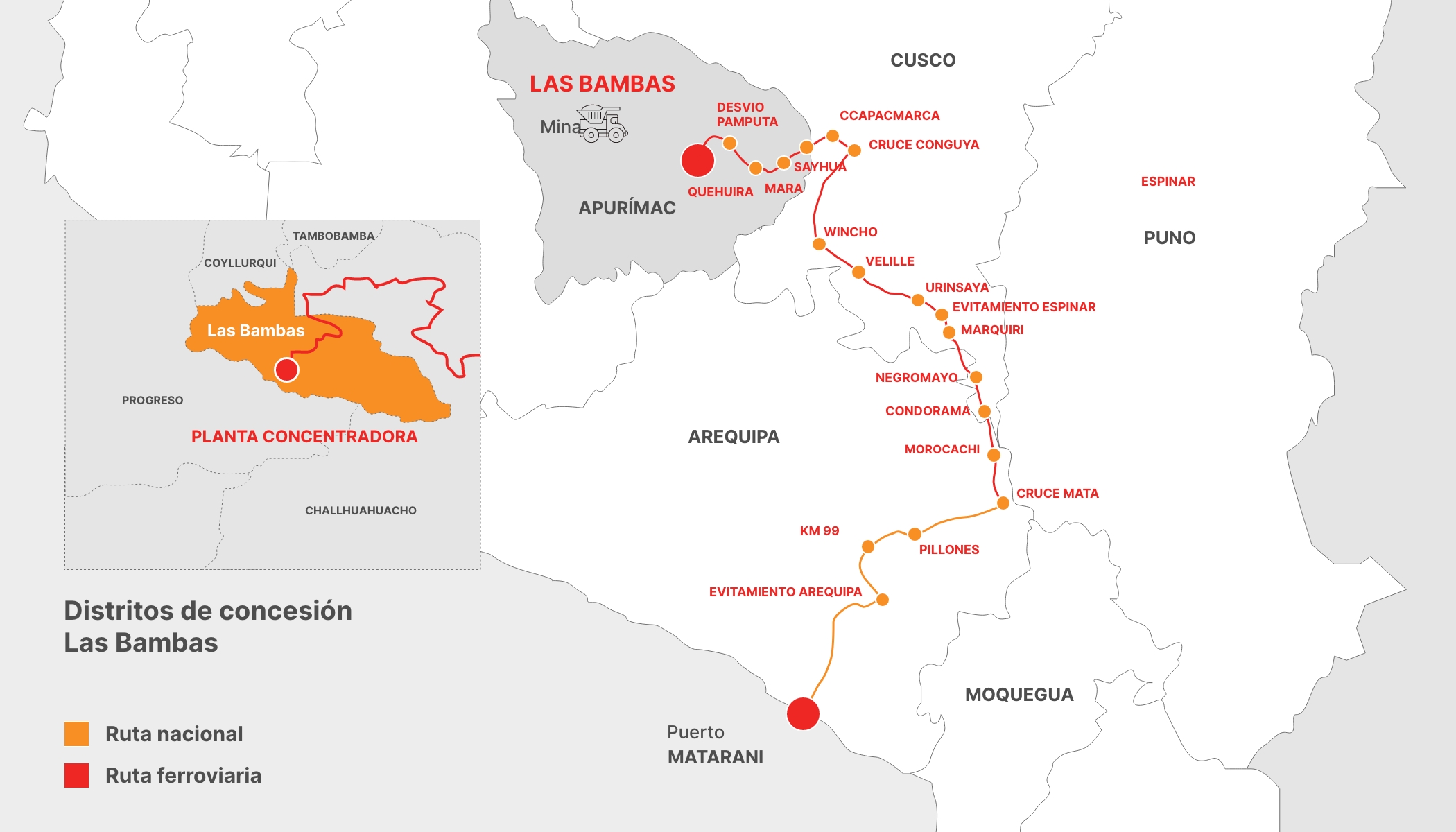
Minera Las Bambas operates one of Peru’s largest copper mines, located in the Apurímac region. The open-pit operation produces approximately 280,000–320,000 tons of copper concentrate annually, which must be transported long distances to the coast for export.
Following the sale of the mine in 2013, the original slurry pipeline plan was replaced with a bimodal transportation system using trucks and rail. Today, concentrate is moved:
- ~450 km by sealed trucks from the mine in Challhuahuacho to the Pillones transfer station
- ~285 km by rail from Pillones to the Port of Matarani in Arequipa
This logistics system forms part of Peru’s Southern Road Corridor, where operations interact with more than 70 communities along the route.
To support local economic participation, Minera Las Bambas works with two communal (community-owned) transportation companies, including Apu Llallawa (Fuerabamba) and Corhuan (Huancuire).
Together, these contractors represent a fleet of 72 container trucks and manage a transportation workforce of approximately 530 drivers responsible for moving concentrate safely across the region.
The Challenge
Transporting copper concentrate across long distances introduces several operational risks.
Drivers operate across extended road routes, mountainous terrain, and continuous logistics schedules, which can increase fatigue exposure if not properly managed. At the same time, the scale of the operation—with hundreds of drivers across contractor fleets—makes it difficult for supervisors to consistently assess fatigue risk before dispatch.
Las Bambas required a structured and data-informed approach to evaluating driver readiness, allowing supervisors to identify fatigue risk before trips begin and apply appropriate countermeasures when necessary.
Why Readi?
Las Bambas implemented Readi, Fatigue Science’s predictive fatigue management platform, to support fatigue risk monitoring across the communal transportation companies' workforces.
Readi uses a scientifically validated biomathematical model to analyze sleep history and circadian factors, generating fatigue predictions before the start of each shift. The system translates these predictions into a ReadiScore, which represents an individual’s predicted cognitive effectiveness and fatigue risk.
These predictive insights provide supervisors with a consistent framework for assessing fatigue risk and making informed decisions about driver readiness before dispatch.
Readi also supports fatigue risk management across distributed fleets by giving operations teams visibility into fatigue patterns across multiple contractor organizations.
How Las Bambas Uses Readi
Readi is used as part of the pre-dispatch readiness process for drivers transporting concentrate along the Southern Road Corridor.
Supervisors review driver sleep and fatigue data prior to trips and apply a simple readiness threshold:
- ≥ 7 hours of sleep: Driver cleared for dispatch
- < 7 hours of sleep: Driver not dispatched
For long-haul trips, operations teams also implement additional fatigue countermeasures, including:
- Two-driver rotation for extended routes
- Active rest pauses during transport
These measures allow supervisors to incorporate fatigue risk into dispatch decisions while maintaining reliable transportation operations.
Current sync rates
Adoption across contractor fleets has remained strong, with weekly synchronization rates between 85% and 94% across Apu Llallawa and Corhuan drivers.
|
Feb 9 - Feb 15 |
Feb 16 - Feb 22 |
Feb 23- Mar 1 |
|
|
Apu Llallawa |
85% |
86% |
90% |
|
Corhuan |
87% |
94% |
85% |
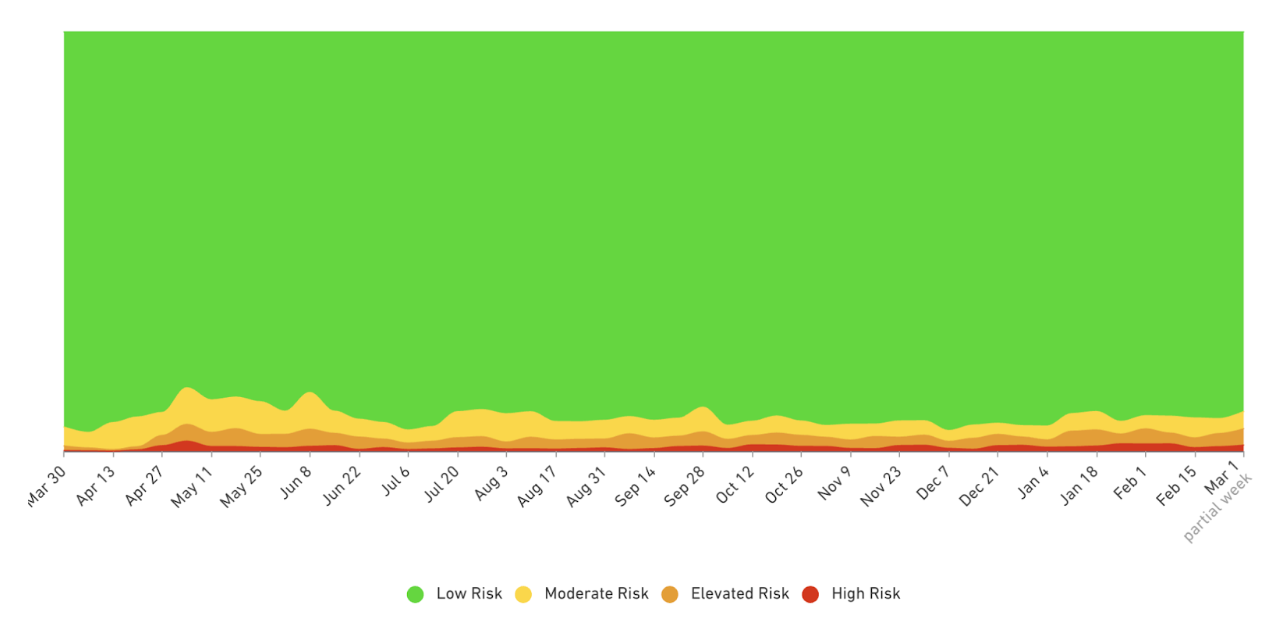
Fatigue Risk Profile
Dashboards
Readi data is also aggregated into dashboards, giving supervisors and operations leaders visibility into fatigue trends across drivers, shifts, and routes, supporting more informed operational decision-making.
The Results
By integrating predictive fatigue insights into daily communal transportation operations, Las Bambas gained greater visibility into driver fatigue risk before dispatch.
Supervisors now have a consistent framework for evaluating driver readiness and applying fatigue countermeasures when necessary. This allows operations teams to support safer decision-making across long-haul concentrate transport while maintaining continuity across contractor fleets.
Gain Fatigue Visibility Across Long-Haul Concentrate Transport like Las Bambas